Air conditioning is one of the biggest drivers of a summer power bill, but the amount you pay is far more in your control than most people think. The type of system matters less than how you run it. Here are the changes that genuinely reduce your running costs — no gimmicks.
Quick answer: The biggest levers on air conditioning running costs are smart temperature settings (every degree you push against the outside temperature costs more), zoning so you only cool occupied rooms, regular servicing so the system runs efficiently, sealing the room against heat gain, and running a correctly sized, efficient reverse-cycle system. Cooling a living area costs roughly $2–$10 per day; how you use the system decides where you land in that range.
Set the temperature sensibly
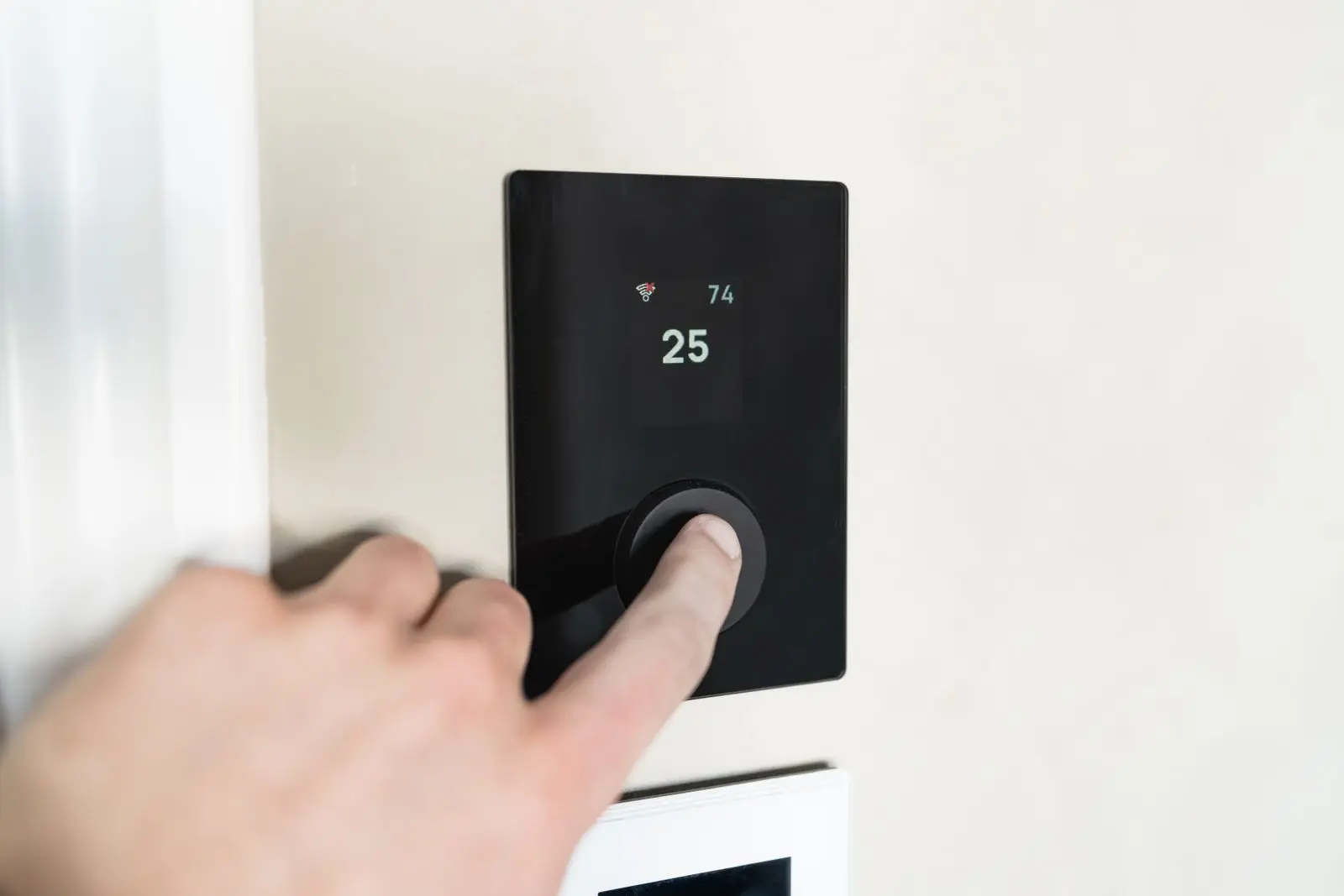
This is the single most effective habit. An air conditioner's running cost is driven by how hard it has to work against the outside temperature — the bigger the gap, the more energy it burns. Every degree matters. In summer, choosing a comfortable moderate setting rather than blasting the coldest possible temperature noticeably cuts your bill, because each degree lower ramps up energy use. In winter, the same logic applies in reverse.
You don't have to be uncomfortable — just avoid extremes. Pairing the system with ceiling fans helps too, letting you feel comfortable at a milder setting.
Only cool the rooms you're using
Cooling empty space is pure waste. For ducted systems, zoning is the key — condition the living area during the day and the bedrooms at night, never the whole house at once. Running an unzoned ducted system that cools rooms nobody's in is the most expensive way to use air conditioning, full stop. For split systems, the same principle is built in: you're only ever cooling the room the unit is in.
Keep the system serviced
A neglected air conditioner is an expensive one. As filters clog and coils foul, the system works harder for the same result, quietly inflating every bill. Regular servicing — and cleaning the filter yourself every few months — keeps it running at peak efficiency. This is one of the cheapest ways to lower your running costs.
Seal the room against heat
You can't cool a room efficiently if the heat keeps pouring back in. Close doors and windows so you're not cooling the outdoors. Draw blinds or curtains against direct sun, especially on west-facing rooms that cop the brutal Western Sydney afternoon sun — that radiant heat can force the system to work far harder than it should. Good insulation and draught-sealing make a lasting difference.
Right-size and choose efficient
Two foundational choices set your baseline running cost. A correctly sized system runs efficiently; an undersized one strains and an oversized one short-cycles, both wasting energy. And a high-efficiency reverse-cycle unit — ideally 3+ energy stars, more if you can — costs less to run every hour it operates. When comparing two units of the same capacity and star rating, the one with the lower annual energy use (kWh) is cheaper to run.
Know what you're actually spending
For context, cooling a single living area typically costs around $2–$10 per day, while a whole-home ducted system can run $6–$25+ per day — the spread depends on hours, settings, efficiency and your tariff. The gap between the low and high end of those ranges is almost entirely about the habits above.
Small changes, real savings
None of this requires suffering through the heat — it's about running the system smartly rather than wastefully. Combine sensible settings, zoning, servicing and a well-sealed room, and you'll feel it on the bill without feeling it in the house.
Want a system that's efficient from the ground up, or a service to get your current one running leaner? Contact BES across Hoxton Park and South West Sydney.
Frequently asked questions
What temperature should I set my air conditioner to save money?
Every degree matters — the harder you make the system work against the outside temperature, the more it costs. In summer, setting the thermostat a little higher (a comfortable moderate temperature rather than the coldest setting) noticeably reduces running costs, because each degree lower increases energy use. In winter, setting it a little lower has the same effect.
How much does it cost to run an air conditioner in Sydney?
As a rough guide, cooling a single living area costs around $2–$10 per day, while running a whole-home ducted system can be $6–$25+ per day, depending on hours of use, settings, the system's efficiency, and your electricity tariff. Running costs depend far more on how you use the system than on the type.
Does zoning reduce air conditioning running costs?
Yes, substantially. Zoning lets a ducted system condition only the rooms in use rather than the whole house. Running an unzoned ducted system that cools empty rooms is the most expensive way to use air conditioning, so effective zoning is one of the biggest levers for reducing running costs.
Related guides
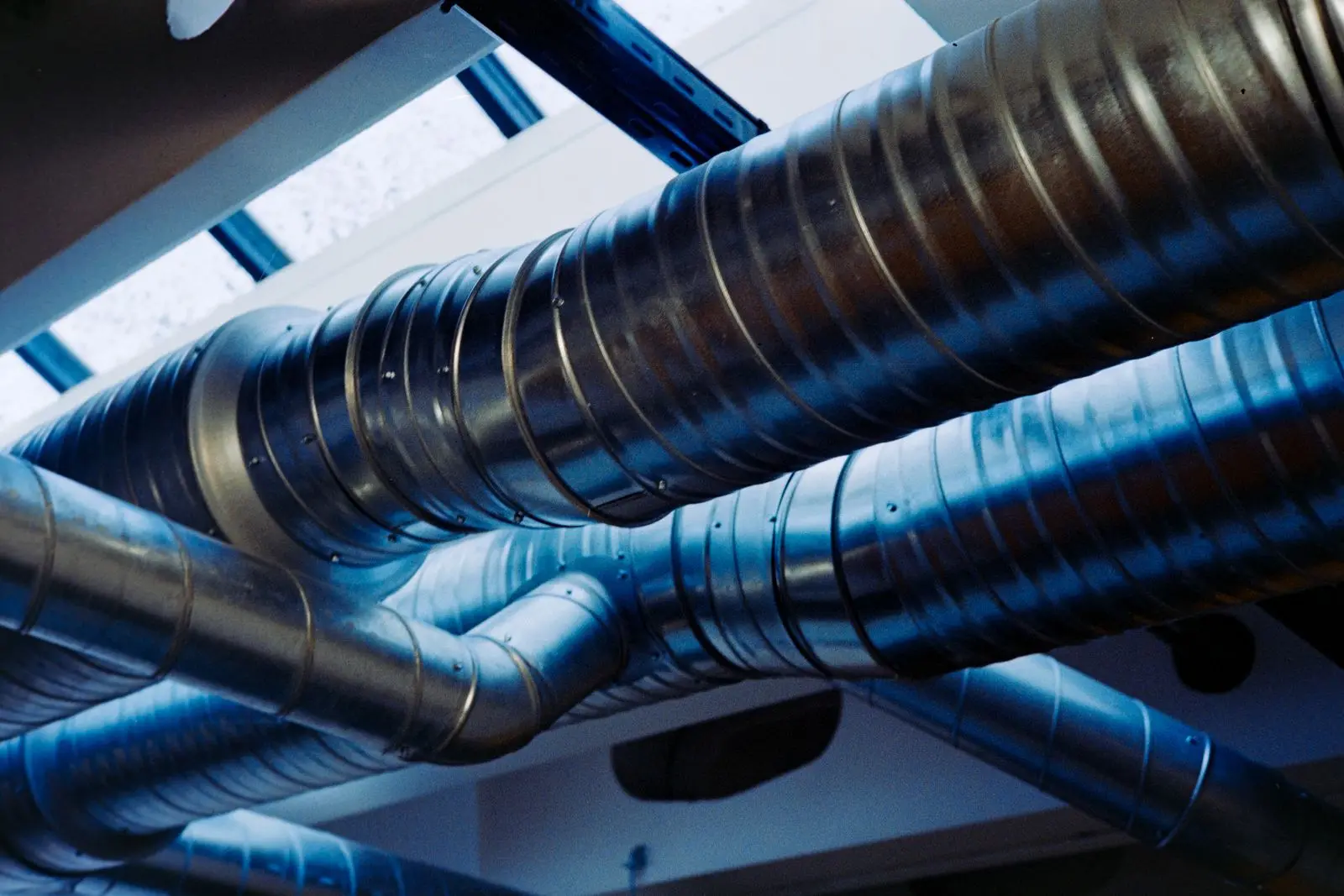
Ducted Air Conditioning Zoning Explained (And How It Cuts Your Bills)
An unzoned ducted system pumping cold air into empty rooms is the most expensive way to cool a house. Zoning fixes that — here's how it works.
Read guide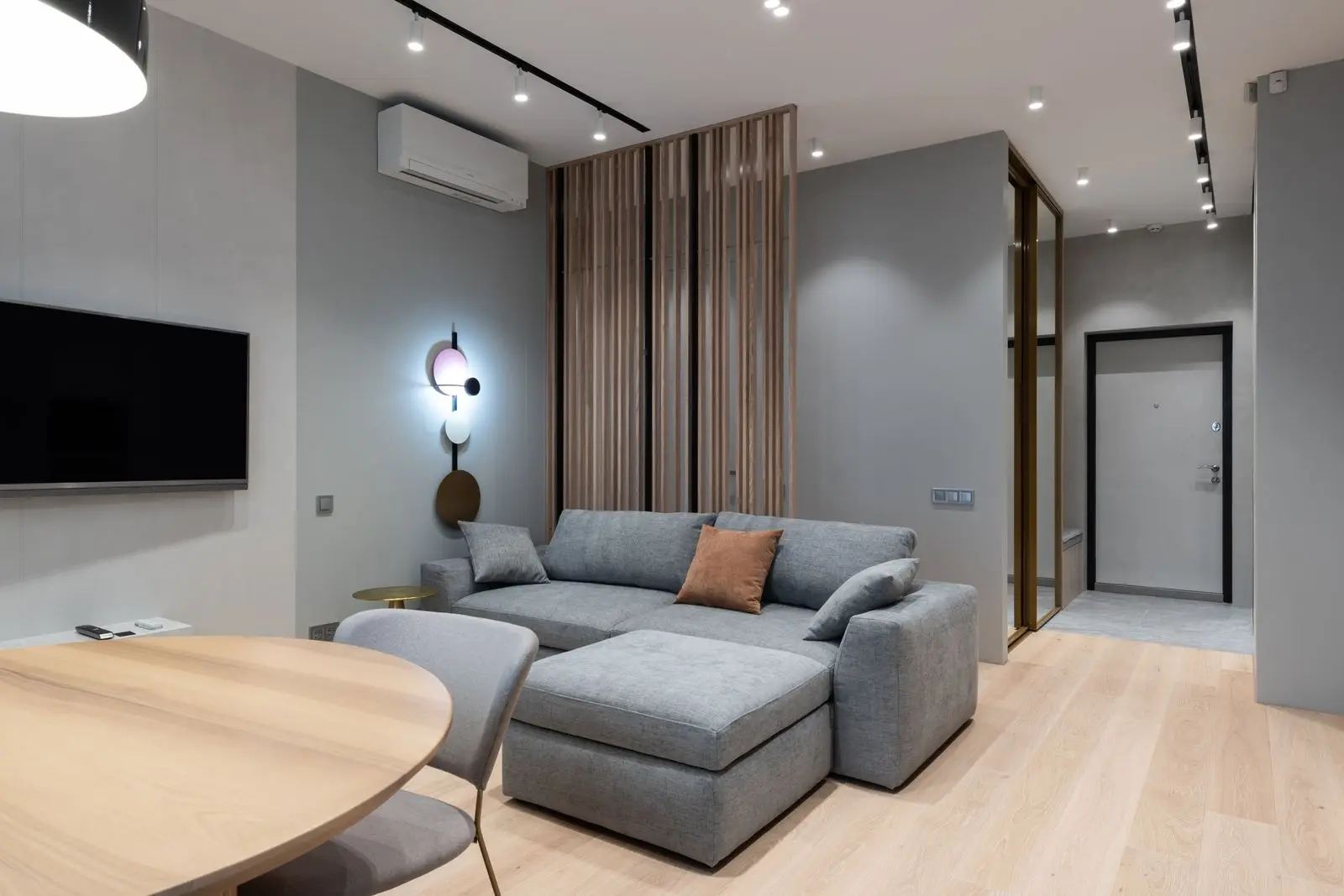
What Size Air Conditioner Do I Need? Room Size to kW Guide (Australia)
Get the size wrong and you'll either freeze your wallet or never cool the room. Here's how to match kW to room size — and why a heat-load check beats a rule of thumb.
Read guide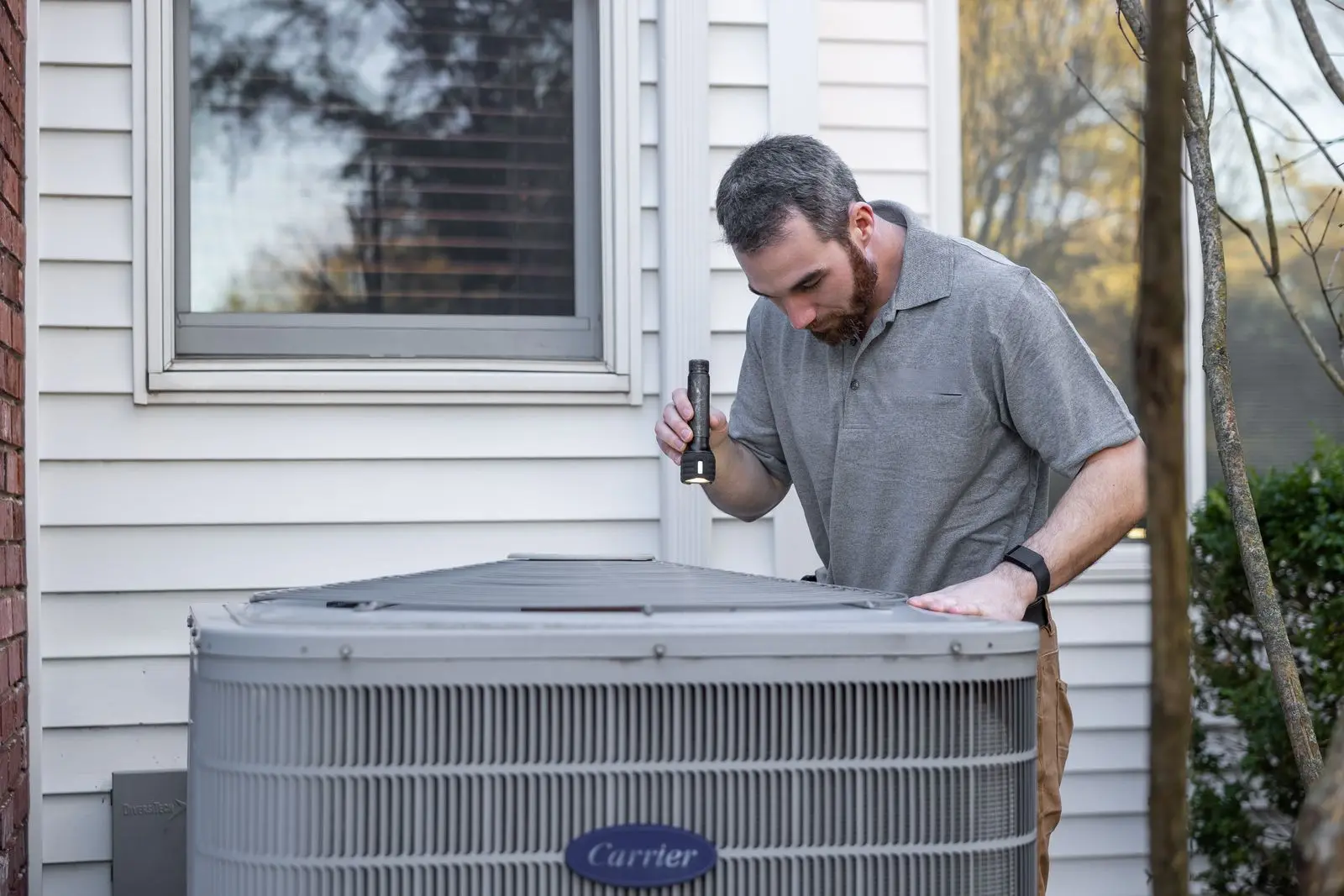
How Often Should You Service Your Air Conditioner?
Once a year for the pro service, more often for the filter. Here's a simple maintenance schedule that keeps your system efficient and your warranty intact.
Read guideWhat Is a Reverse Cycle Air Conditioner? Heating & Cooling Explained
One unit that cools in summer and heats in winter — and now costs less to run than gas. Here's how reverse cycle works and why it's the default choice in 2026.
Read guide