
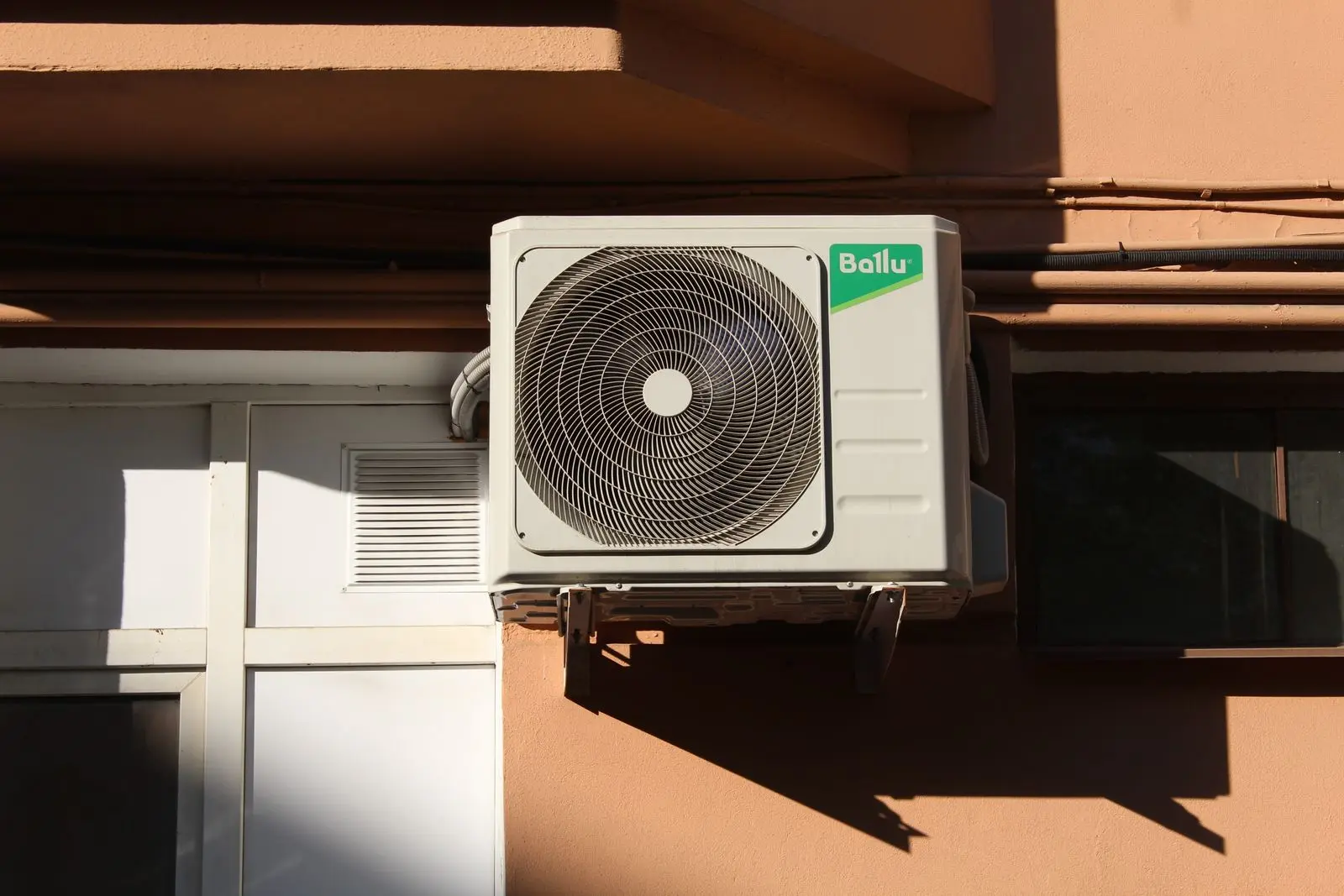
Every air conditioner reaches a point where repairs stop being worth it. Knowing when you've crossed that line saves you from throwing good money after bad — and from sweating through another summer with a system that can't keep up. Here are the clearest signs it's time to replace rather than repair.
Quick answer: Consider replacing your air conditioner if it's over 10–15 years old, needs frequent or expensive repairs, is driving up your power bills, no longer cools effectively, uses an old refrigerant, is excessively noisy, or a single repair would cost more than half the price of a new system. Modern systems are far more efficient, and replacing an old unit may qualify for the NSW rebate.
1. It's over 10–15 years old
Age is the biggest factor. A well-maintained split system typically lasts 12–15 years, and ducted systems 15–20 years. Past that, even a working unit is running on borrowed time, and the technology is generations behind on efficiency. If you don't know your system's age, it's worth finding out.
2. Repairs are getting frequent or costly
An occasional fix is normal. But when breakdowns start clustering — something new failing every few months — you're funding a slow, expensive death. A good decision rule is the 50% test: if a repair costs more than half the price of a new system, replacement is the better spend. See our repair vs replace guidance.
3. Your power bills keep climbing
If your energy bills are creeping up without a change in how you use the system, an ageing, inefficient air conditioner is often the culprit. As components wear and grime builds, the unit works harder for the same result. A modern efficient system can cut running costs enough to help pay for itself over a few years.
4. It doesn't cool like it used to
A system that runs constantly but never quite cools the room — after you've ruled out the simple causes like a dirty filter — may be worn beyond economical repair. Declining performance on an old unit is a strong replacement signal.
5. It uses an obsolete refrigerant
Older air conditioners run on refrigerants that have since been phased out. If yours does, sourcing refrigerant for a repair becomes difficult and expensive, and a leak can effectively end the system's life. Replacing it with a modern unit sidesteps the problem entirely.
6. It's noisy, or short-cycling
Loud grinding, rattling or banging suggests worn mechanical parts. Short-cycling — the system rapidly switching on and off — is another red flag, often pointing to an oversized or failing unit, and it wears components out fast while cooling poorly.
7. The repair estimate makes you wince
Sometimes the numbers just decide it for you. A major component failure — compressor, control board — on an older system can cost enough that a new, efficient, warrantied unit is plainly the smarter money.
The upside of replacing
Replacing an old system isn't just avoiding problems — it's an upgrade. Modern units are quieter, dramatically more efficient, and reverse cycle for year-round heating and cooling. Crucially, replacing an old inefficient unit is exactly what the NSW Energy Savings Scheme rebate is designed to reward, so an upgrade may come with a meaningful discount. And you get to choose the right brand and size for your home from the start.
Not sure whether yours is worth saving? Contact BES for an honest assessment across Hoxton Park and South West Sydney — we'll tell you straight whether to repair or replace.
Frequently asked questions
How long does an air conditioner last?
A well-maintained split system typically lasts 12–15 years, and a ducted system 15–20 years. Lifespan depends heavily on maintenance, how hard the system works, and the local climate. Once a system passes this age, efficiency drops and breakdowns become more frequent.
Should I repair or replace my air conditioner?
A useful rule is the 50% test: if a repair costs more than half the price of a new system, replacement is usually the better investment — especially for units over 10–15 years old. Newer systems are far more efficient, so the running-cost savings help offset the replacement cost, and you may qualify for the NSW rebate.
Is it worth replacing an old but working air conditioner?
Sometimes yes. An old unit that still runs but uses an obsolete refrigerant, guzzles power, or struggles to cool can cost more in energy over a few years than a new efficient system would. If your bills are climbing and the unit is over a decade old, an upgrade often pays for itself.
Related guides
Air Conditioning Repair, Servicing & Maintenance: A Sydney Homeowner's Guide
The difference between an aircon that lasts 15 years and one that dies in 6 is maintenance. Here's what servicing involves, and the repairs worth knowing about.
Read guideWhy Is My Air Conditioner Not Cooling? Troubleshooting Guide
It's 39°C, the unit's on, and the room won't cool. Here's what to check yourself in five minutes, and what needs a licensed technician.
Read guide
The NSW Air Conditioning Rebate Explained (2026): How to Save on Your Upgrade
The NSW government will knock hundreds off an efficient reverse-cycle install — applied straight to your quote. Here's how the 2026 scheme actually works and who qualifies.
Read guideBest Air Conditioner Brands in Australia (2026): An Honest Comparison
Daikin, Mitsubishi, Fujitsu, Panasonic, ActronAir — what each is genuinely good at, and which handles a 40°C Western Sydney afternoon without breaking a sweat.
Read guide