
Zoning is the single feature that separates an economical ducted system from an expensive one. Yet plenty of homeowners either don't have it or don't use it properly. Here's what zoning is, how it works, and why it's the key to running ducted air conditioning without a frightening power bill.
Quick answer: Zoning divides your home into separate areas that can be cooled or heated independently from a central controller. Instead of conditioning the whole house at once, you only run the zones in use — a "day zone" for living areas, a "night zone" for bedrooms. It matters because an unzoned ducted system pumping cold air into empty rooms is the most expensive way to run air conditioning. Good zoning is what makes ducted economical.
What zoning actually does
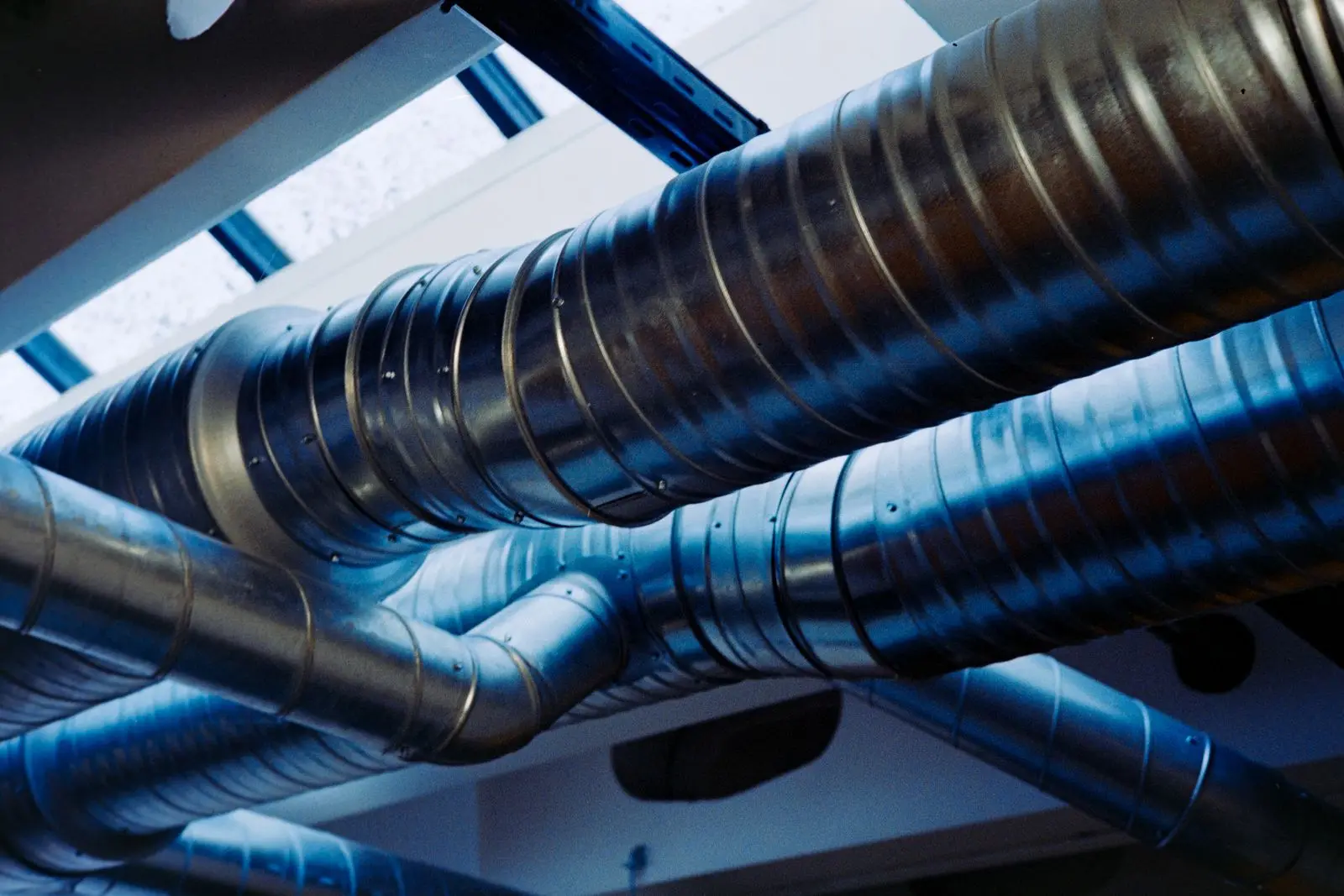
A ducted system distributes air through your home via ducts and vents. Without zoning, it's all-or-nothing — turn it on and every vent in the house runs, conditioning rooms whether anyone's in them or not.
Zoning splits the home into sections, each with dampers in the ducts that open or close on command. From a central controller (increasingly, a phone app), you decide which zones run. Cooling only the living area during the day? Run the day zone and leave the bedrooms closed. Going to bed? Switch to the night zone. You're only ever paying to condition the space you're actually using.
Why it saves so much
This is the part worth internalising: an unzoned ducted system running cold air into rooms nobody's in is the most expensive cooling option of all. You're paying to cool empty bedrooms while you sit in the lounge.
Zoning fixes that directly. By conditioning only occupied areas, a well-zoned system dramatically cuts the energy it uses compared with cooling the whole house. It's the reason ducted running costs can be very reasonable when used well — and climb fast when they're not.
Common zone setups
Zones are designed around how you live. Typical arrangements include:
Day zone / night zone. The classic split — living, kitchen and dining in one zone; bedrooms in another. Run the day zone while you're up and about, the night zone while you sleep.
Upstairs / downstairs. Essential in two-storey homes, where you can cool the upstairs bedrooms at night without conditioning the empty ground floor.
Room-by-room. More granular zoning gives finer control, letting you condition individual rooms — useful for a home office used during the day or a rarely-used guest room kept closed off.
A typical home might run three to six zones, designed by your installer around your layout and routine.
Getting zoning right
Zoning only delivers its savings if the system is designed and sized correctly. The ducted unit needs to be sized for the zones you'll actually run at once, not the whole house, and the zone layout should match how you live. This is part of why a proper heat-load assessment and system design matters — get it right and zoning pays you back every month; get it wrong and you lose the benefit.
If you already have ducted air conditioning without zoning, or with zones you never use, it's worth a conversation about whether zoning can be added or better configured.
Considering ducted for your home, or want to get more out of an existing system? Contact BES and we'll design zoning that fits how you actually live across Hoxton Park and South West Sydney.
Frequently asked questions
What is zoning in ducted air conditioning?
Zoning divides your home into separate areas that can be heated or cooled independently, controlled from a central panel or app. Instead of conditioning the whole house at once, you only run the zones you're using — for example a 'day zone' for living areas during the day and a 'night zone' for bedrooms in the evening.
Does zoning save money on ducted air conditioning?
Yes, significantly. Running a ducted system to condition only occupied zones uses far less energy than cooling the entire home. An unzoned ducted system pumping conditioned air into empty rooms is the most expensive way to run air conditioning, so zoning is central to keeping ducted running costs reasonable.
How many zones should a ducted system have?
It depends on your home's layout and how you use it, but common setups separate living areas from bedrooms, and split upstairs from downstairs in two-storey homes. A typical home might have three to six zones. Your installer will design zones around how you actually live in the space.
Related guides
Ducted vs Split System Air Conditioning: The Complete Sydney Buyer's Guide (2026)
The single most common question we get in South West Sydney. Here's a straight answer based on your home and budget — not on what's most expensive to sell you.
Read guideDucted vs Multi-Split for Two-Storey Sydney Homes
Why is the top floor always five degrees hotter? Here's how ducted and multi-split stack up for two-storey Sydney homes — including the retrofit reality.
Read guide
How to Reduce Your Air Conditioning Running Costs
Cooling a home doesn't have to cost a fortune. Here are the settings and habits that actually move the needle on your summer power bill.
Read guide
Air Conditioning Installation in Hoxton Park & South West Sydney
What professional aircon installation should look like in South West Sydney — the systems, the process, the licensing that matters, and why local heat changes the job.
Read guide