
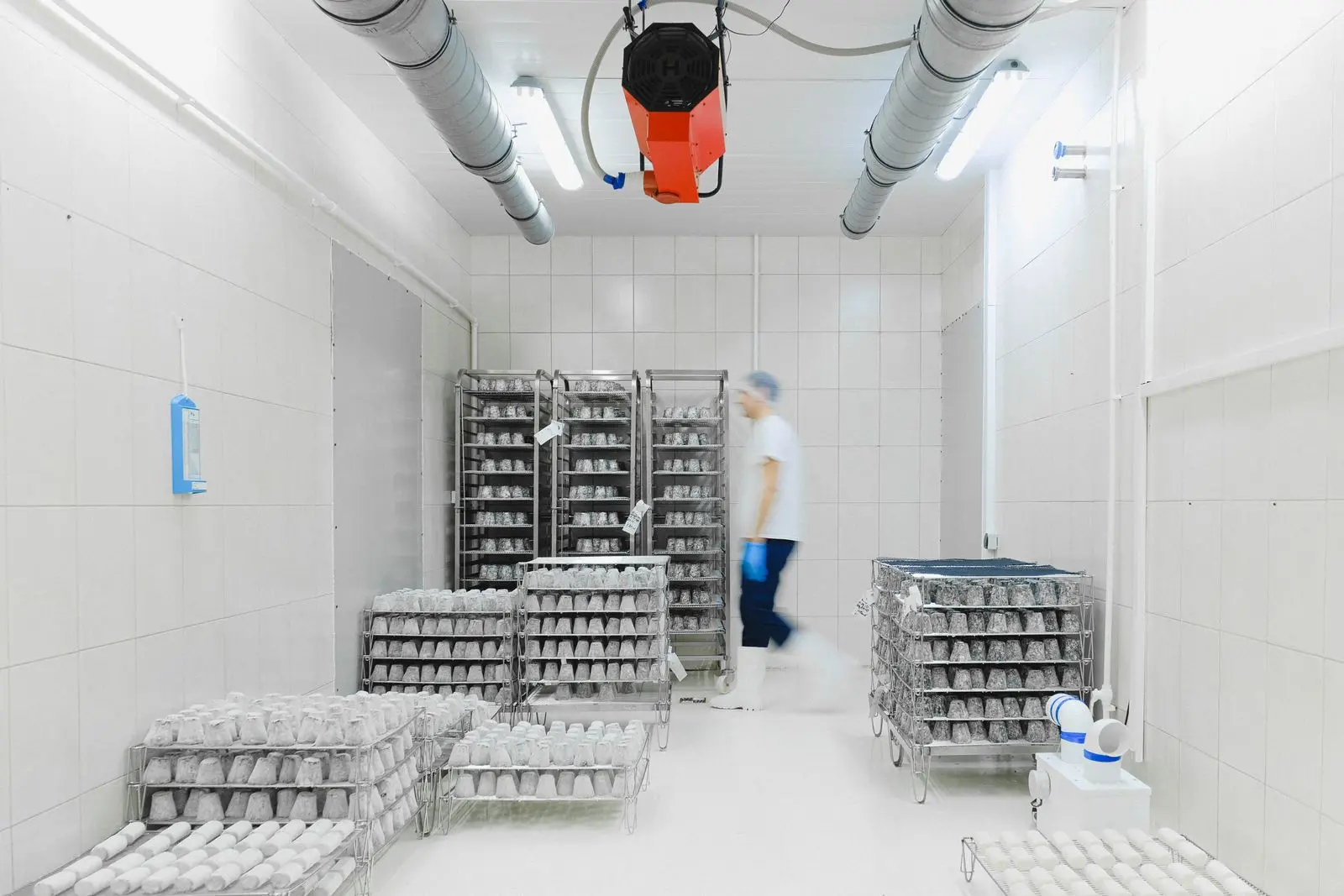
For a restaurant, cafe, butcher or food retailer, the coolroom is one of the most important pieces of equipment in the building — and one of the most expensive to lose. A refrigeration failure doesn't just inconvenience you; it can wipe out thousands of dollars of stock overnight and put food safety compliance at risk. Here's how to keep commercial refrigeration reliable, and the warning signs that mean act now.
Quick answer: Commercial refrigeration and coolrooms should be maintained under a regular preventive schedule because they run continuously and a failure spoils valuable stock. Maintenance covers door seals, coil cleaning, refrigerant checks, temperature calibration, defrost and drainage. Warning signs to act on include temperature fluctuations, ice buildup, constant running, or a door that won't seal. Refrigeration ties directly to food safety compliance, so prevention protects both your stock and your obligations.
Why prevention beats cure — by a lot
The economics of refrigeration maintenance are stark. A scheduled service visit is a modest, predictable cost. A coolroom failure during trade is a catastrophe: spoiled stock, lost sales, an emergency call-out, and potentially a compliance problem. For any food business, keeping refrigeration maintained isn't an expense to minimise — it's insurance against a far bigger loss.
Beyond avoiding disasters, well-maintained refrigeration runs more efficiently, which matters when a coolroom operates 24 hours a day and its energy use is a real line on your bills.
What coolroom maintenance involves
A proper preventive maintenance visit covers the components that keep temperatures stable and the system healthy:
Door seals and gaskets. Worn or damaged seals let cold air escape and warm air in, forcing the system to work overtime and struggle to hold temperature. Seals are a common and cheap-to-fix failure point.
Coil cleaning. Dirty condenser and evaporator coils can't transfer heat efficiently, which reduces cooling and drives up energy use.
Refrigerant check. Levels are checked and the system inspected for leaks — low refrigerant means a leak, which requires a licensed technician to repair.
Temperature calibration. Confirming the system is actually holding the temperature it should, which is central to food safety.
Defrost, drainage and airflow. Checking the defrost cycle, clearing condensate drainage, and ensuring nothing is obstructing airflow — including door strip curtains where fitted.
Warning signs to act on immediately
Don't wait for a total failure. These signs mean call for service now:
Temperature won't hold. Fluctuating temperatures, or the coolroom not reaching or maintaining its set point, is the most important warning of all.
Ice or frost buildup. Excessive ice signals a problem with the defrost cycle, airflow or seals.
Running constantly. A system that never cycles off is straining, often due to dirty coils, low refrigerant or failing seals — and it's burning energy while it does.
Condensation, noises or door problems. Unusual moisture, grinding or rattling sounds, or a door that no longer seals cleanly all warrant a prompt look.
Catching any of these early is the difference between a small repair and a coolroom full of spoiled stock.
Compliance is on the line
For food businesses, refrigeration is inseparable from food safety obligations. A coolroom that drifts out of its safe range puts both your stock and your compliance at risk. Regular maintenance and reliable temperature monitoring are how you protect against that — it's operational risk management as much as equipment care.
Licensed refrigeration work only
All refrigerant work is legally restricted to technicians holding an ARCtick licence, and electrical work to licensed electricians. This protects your warranty, your insurance and the quality of the work — see do you need a licensed installer. It's not an area to cut corners on.
Run a food business in South West Sydney and want your refrigeration kept reliable? Contact BES about coolroom and commercial refrigeration maintenance, servicing and repairs across Hoxton Park, Liverpool and surrounds.
Frequently asked questions
How often should a coolroom be serviced?
Coolrooms and commercial refrigeration should be serviced regularly under a preventive maintenance schedule — more often than home systems because they run continuously and a failure can spoil valuable stock. Many food businesses schedule routine servicing to protect food safety compliance and avoid costly breakdowns.
What are the signs a coolroom needs repair?
Warning signs include temperature fluctuations or failure to hold the set temperature, ice or frost building up, excess condensation, the system running constantly, unusual noises, or a door that no longer seals properly. Any of these should be addressed quickly before they lead to a failure and stock loss.
Why is coolroom maintenance important for food businesses?
Refrigeration is directly tied to food safety compliance and to protecting your stock. A coolroom that drifts out of its safe temperature range risks both your inventory and your obligations. Regular maintenance keeps temperatures stable, catches faults early, and keeps running costs down by ensuring the system operates efficiently.
Related guides
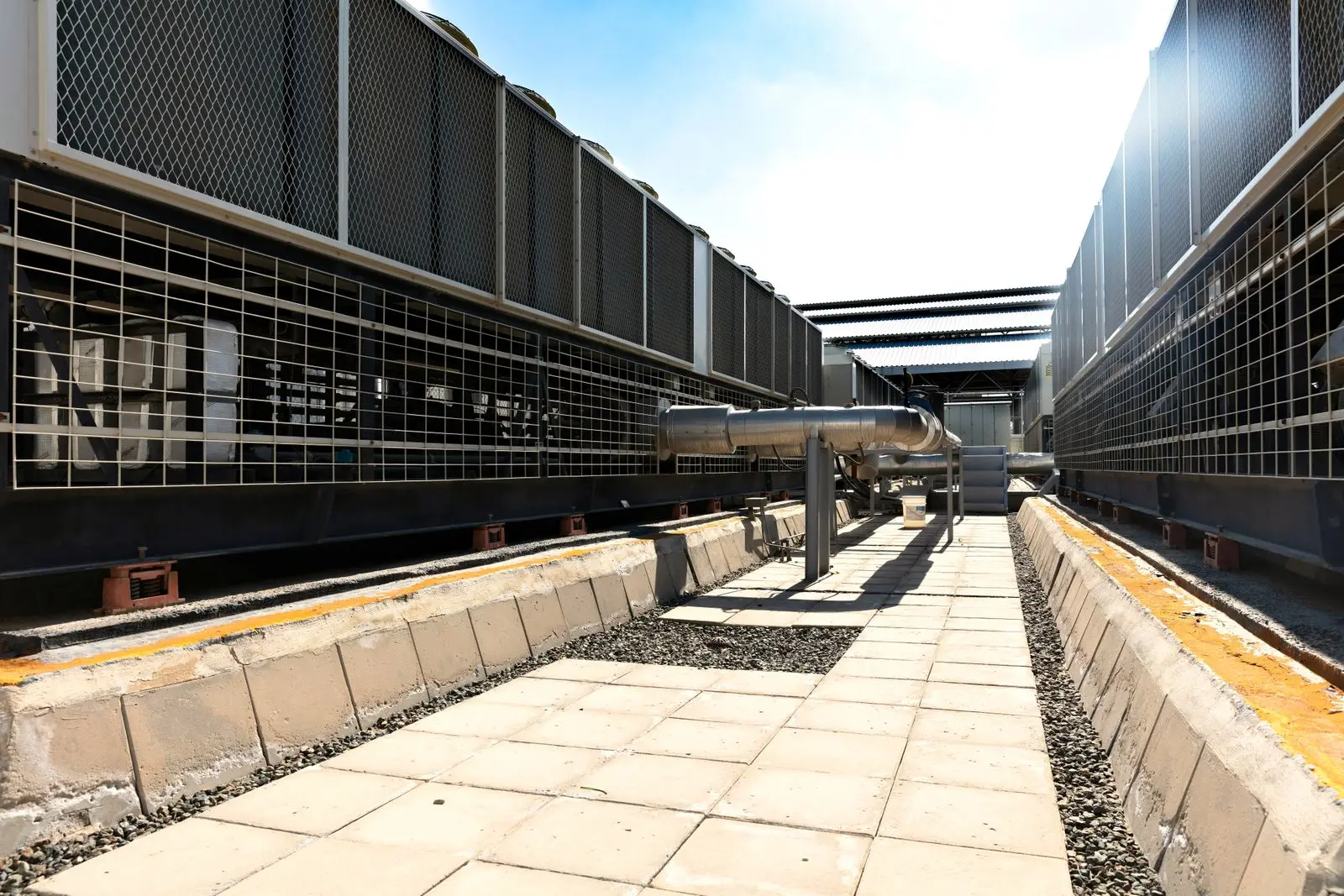
Commercial HVAC & Refrigeration for South West Sydney Businesses
For a business, a failed system isn't discomfort — it's lost stock, lost customers, lost revenue. Here's what commercial HVAC and refrigeration involves, and why it's a different game to home systems.
Read guideChoosing the Right HVAC for Your Shop, Office or Warehouse
A retail shopfront, an open-plan office and a warehouse have completely different needs. Here's how to choose commercial HVAC that fits the space and the way it's used.
Read guide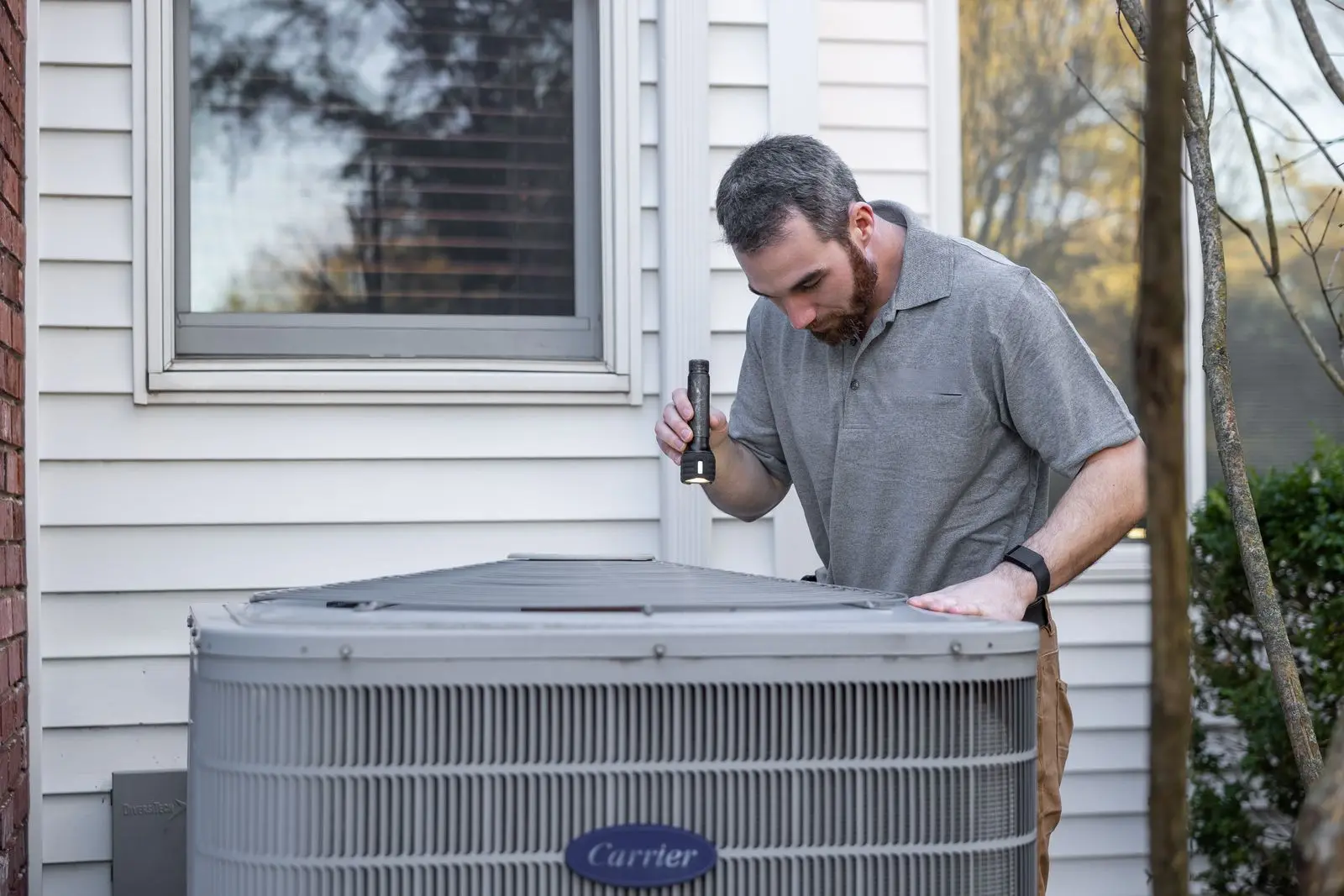
Do You Need a Licensed Air Conditioning Installer? ARCtick & NSW Licensing Explained
That cash-in-hand cheap install could void your warranty, break the law, and leave you uninsured. Here's the licensing that actually matters, and how to check it.
Read guide
Aircon Broke in a Heatwave? Emergency Guide for Sydney
Your aircon dies on a 43°C day. Here's how to keep the house (and everyone in it) safe, the quick checks worth trying, and when to call for an emergency fix.
Read guide