
There's never a good time for air conditioning to fail, but a 43°C Western Sydney afternoon is the worst. Before anything else: staying cool and safe comes first, getting the system fixed comes second. This guide covers both — how to look after everyone in the house, the quick checks that might get you running again, and when to call for emergency help.
Quick answer: If your air conditioning fails in a heatwave, prioritise safety first — close blinds against the sun, use fans, stay hydrated, and move to the coolest room. Then try quick fixes: clean the filter, check the thermostat is set to cool, and reset a tripped breaker once. If it won't restart, call for emergency air conditioning repair. Extreme heat is a real health risk, so if your home becomes unsafe, go somewhere air-conditioned, and call 000 for signs of heat stroke.
First: stay cool and safe
Your comfort matters, but in extreme heat, safety matters more. While you sort the system out, keep the house and everyone in it as cool as possible:
Block the sun. Close blinds, curtains and windows on the sunny side of the house. Keeping direct sun out makes a real difference to indoor temperature.
Keep hot air out. If it's hotter outside than in, keep windows closed during the day and open them in the cooler evening.
Move air and water. Use fans to keep air moving. Drink plenty of water, and dampen your skin with a wet cloth or take a cool shower — evaporation helps you shed heat.
Reduce indoor heat. Avoid using the oven, stovetop or other heat-generating appliances until things cool down.
Look out for the vulnerable. Older people, young children, and anyone with a health condition are most at risk in the heat. Check on them, and don't tough it out at home if it's becoming dangerous — a library, shopping centre or community centre offers free air conditioning.
Know the warning signs. Heat-related illness can be serious. Dizziness, nausea, headache and cramps are early signs to take seriously. Call 000 for signs of heat stroke — confusion, a very high body temperature, or someone who has stopped sweating.
Then: quick checks that might fix it
Once everyone's safe, it's worth trying the simple things before assuming the worst. These resolve a surprising number of "sudden failures":
Clean the filter. A badly clogged filter can choke the system to the point it barely works — and heavy summer use clogs filters fast. Clean it and see if performance returns.
Check the thermostat. Confirm it's on cooling mode and set below the room temperature.
Reset the breaker — once. If the outdoor unit is dead, check for a tripped circuit breaker and reset it a single time. If it trips again, stop — that's an electrical fault for a professional.
Clear the outdoor unit. Make sure nothing is blocking airflow around it.
Our full troubleshooting guide covers these in more detail.
When to call for emergency repair
If the quick checks don't bring it back, the fault is likely something that needs a licensed technician — refrigerant, electrical, or a failed component. In a heatwave, that's when emergency repair earns its place: getting a professional out fast to diagnose and fix the problem safely.
The same urgency applies to businesses — a failed commercial system or coolroom in extreme heat means lost trade or spoiled stock, and can't wait.
The best emergency plan is prevention
Most heatwave breakdowns aren't bad luck — they're systems that were already struggling and gave out under peak load. A service before summer catches the weaknesses that turn into January failures. It's the single best way to avoid ever needing this guide.
Air conditioning down in the heat across Hoxton Park or South West Sydney? Contact BES for repairs — and if you're reading this before summer, book a service now so you're not reading it again in January.
Frequently asked questions
What should I do if my air conditioner breaks during a heatwave?
First, keep cool and safe: close blinds and curtains against the sun, use fans, stay hydrated, and move to the coolest part of the house. Then run quick checks — clean the filter, confirm the thermostat is set to cool, and reset a tripped breaker once. If that doesn't work, call for emergency air conditioning repair, and go to a cool public place if your home becomes unsafe.
How can I stay cool without air conditioning?
Block direct sun with blinds and curtains, keep windows closed while it's hotter outside than in, use fans to move air, drink plenty of water, dampen skin with a wet cloth, and avoid using heat-generating appliances like ovens. If the heat becomes dangerous, spend time somewhere air-conditioned like a library or shopping centre.
Is heat dangerous, and when should I seek help?
Yes — extreme heat is a genuine health risk, especially for older people, young children, and anyone with a medical condition. Signs of heat-related illness include dizziness, nausea and cramps. Seek urgent medical help by calling 000 for signs of heat stroke such as confusion, a very high body temperature, or a person who has stopped sweating.
Related guides
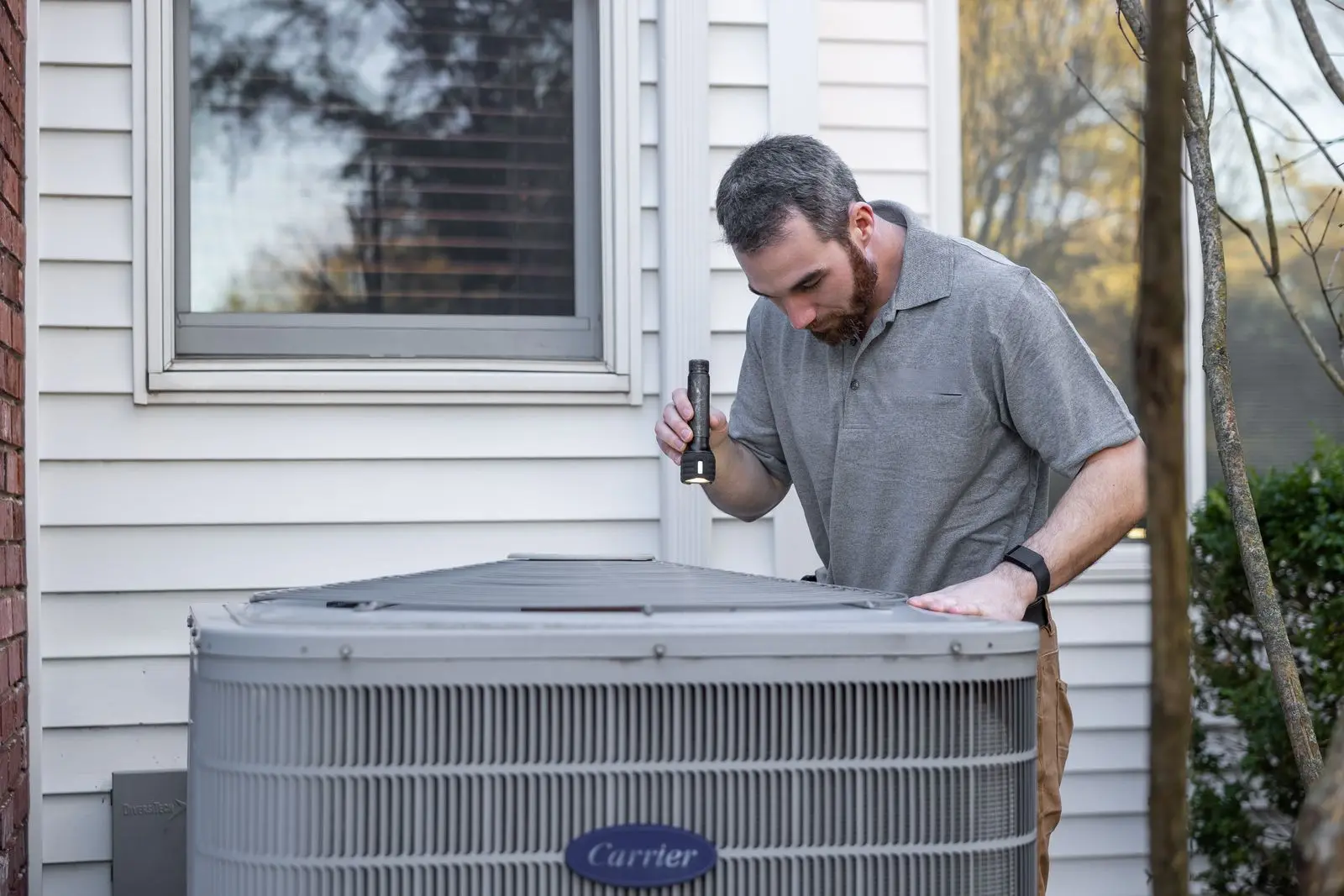
Why Is My Air Conditioner Not Cooling? Troubleshooting Guide
It's 39°C, the unit's on, and the room won't cool. Here's what to check yourself in five minutes, and what needs a licensed technician.
Read guideAir Conditioning Repair, Servicing & Maintenance: A Sydney Homeowner's Guide
The difference between an aircon that lasts 15 years and one that dies in 6 is maintenance. Here's what servicing involves, and the repairs worth knowing about.
Read guideHow Often Should You Service Your Air Conditioner?
Once a year for the pro service, more often for the filter. Here's a simple maintenance schedule that keeps your system efficient and your warranty intact.
Read guide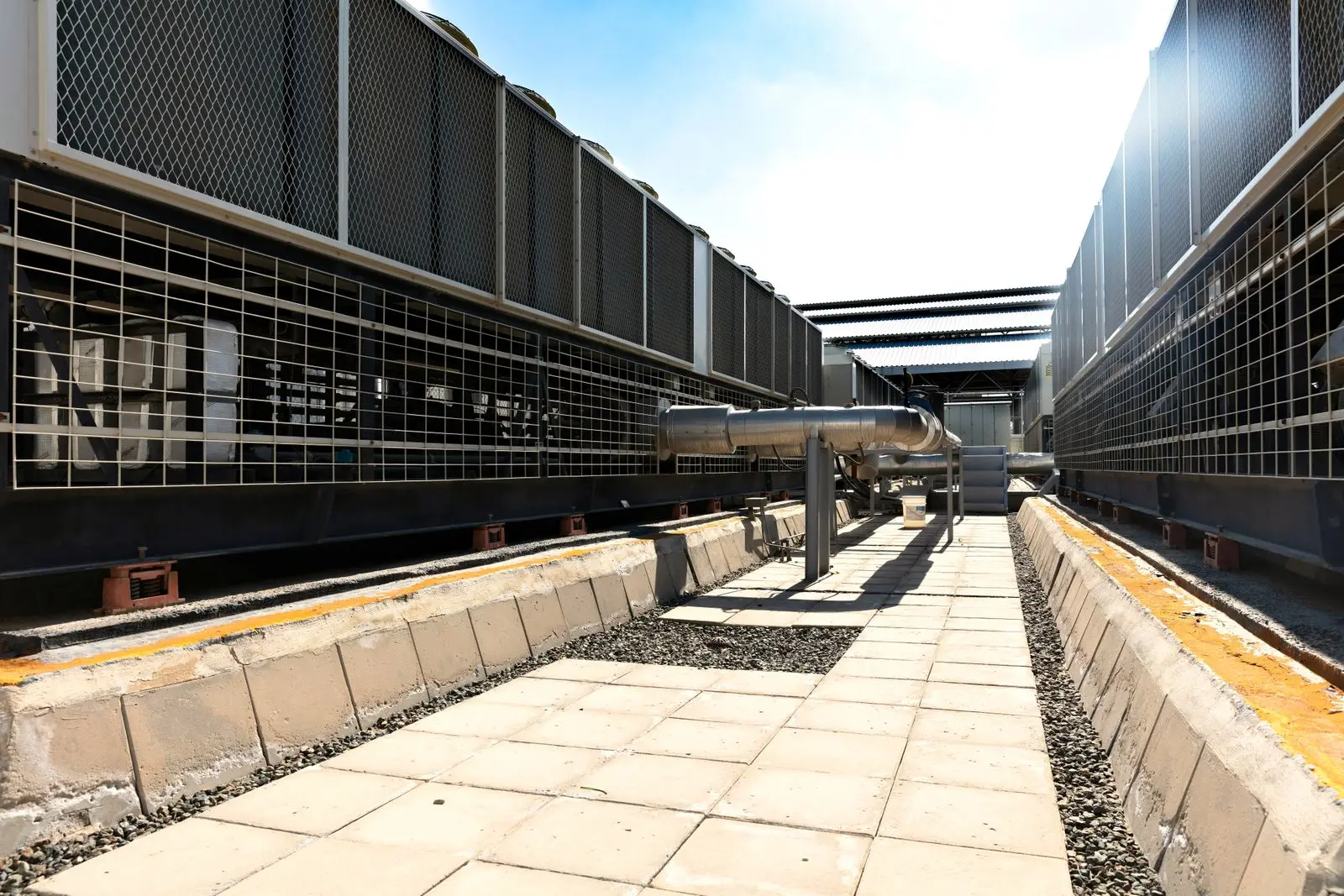
Commercial HVAC & Refrigeration for South West Sydney Businesses
For a business, a failed system isn't discomfort — it's lost stock, lost customers, lost revenue. Here's what commercial HVAC and refrigeration involves, and why it's a different game to home systems.
Read guide