
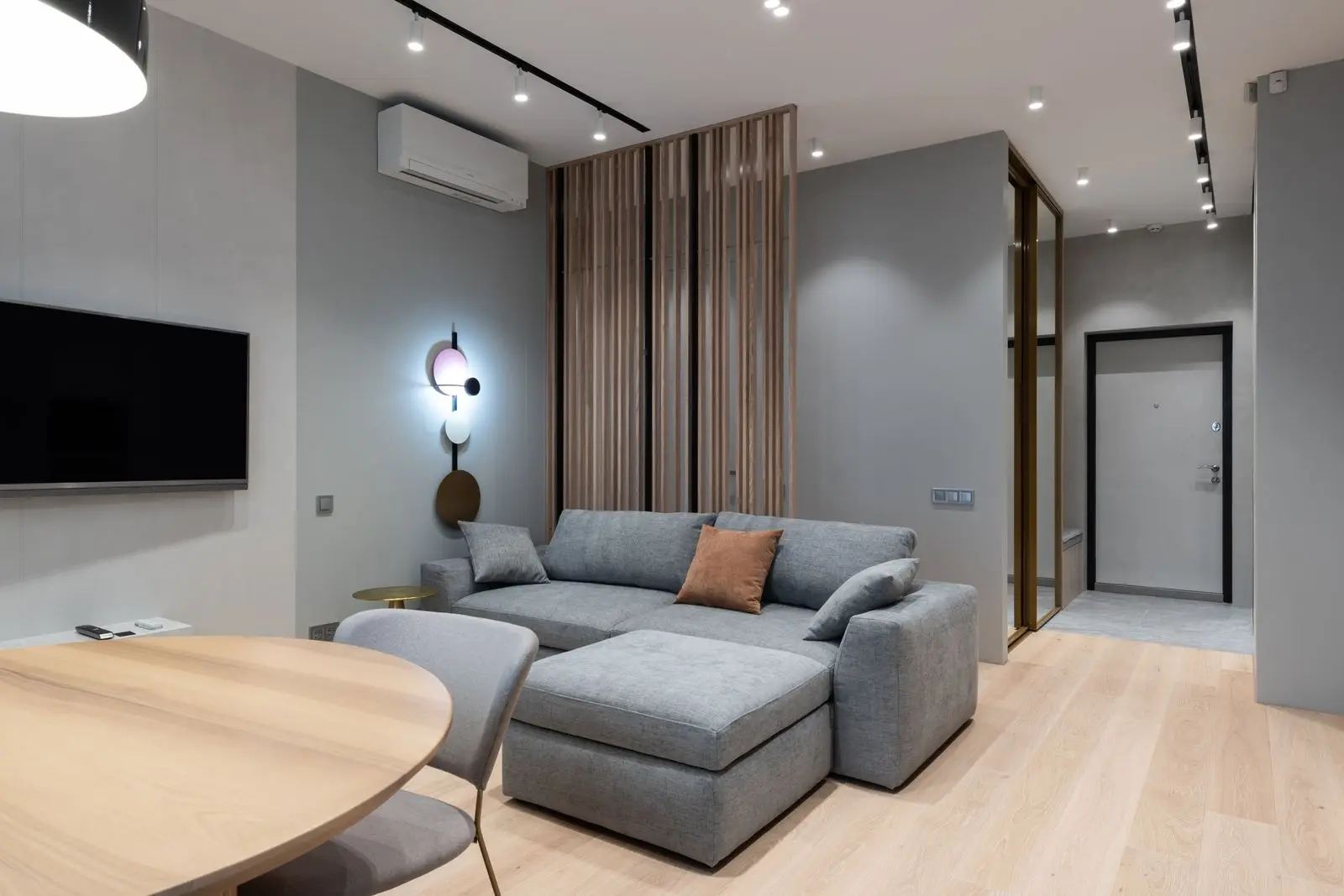
Cooling an apartment or a small home comes with constraints a standalone house doesn't: no roof space for ducting, limited spots for an outdoor unit, and often a strata committee whose approval you need. The good news is that modern split and multi-split systems are ideal for exactly these situations. Here's how to do it right.
Quick answer: For most Sydney apartments, a split system (studios and one-bedrooms) or a multi-split (two to three bedrooms) is the best choice. Both avoid the need for roof space that ducting requires. The two things to sort early are strata approval — usually required because the outdoor unit sits on common property or a balcony — and outdoor unit placement, which needs good airflow in a tight space. Choose a reverse-cycle model for year-round heating and cooling.
Why split and multi-split suit apartments
Ducted air conditioning needs roof or ceiling cavity space to run the ductwork — space most apartments simply don't have. Split systems sidestep this entirely: an indoor unit on the wall, an outdoor compressor outside, connected by slim refrigerant pipes that tuck away neatly.
For a studio or one-bedroom, a single split in the main living space is often all you need. For a two or three-bedroom apartment, a multi-split — one outdoor unit driving several indoor heads — lets you condition multiple rooms while only using one outdoor unit, which matters when outdoor space is scarce.
The strata question — sort it first
This trips up a lot of apartment owners. Because the outdoor unit usually mounts on a balcony, an external wall, or common property, most strata schemes require approval from the owners' corporation before you install anything.
Check your by-laws before you get too far. Approval can take time, and the scheme may have rules about where the unit can go, noise limits, and how it's mounted. A good installer can supply the technical details strata committees typically ask for, but the approval itself is yours to secure. Starting this early avoids booking an install you can't yet proceed with.
Working with limited outdoor space
The outdoor unit needs breathing room — it works by dumping heat outside, so it needs airflow around it to run efficiently. On a small balcony or a narrow side area, placement takes some thought:
Position it where hot air can disperse rather than recirculate, keep it clear of enclosed corners where heat builds up, and mind noise for both you and your neighbours. A compact outdoor unit is an advantage here, which is one reason multi-splits are popular in apartments — one modest outdoor unit instead of several.
Get the size right — small rooms still need the right capacity
A common apartment mistake is assuming a small space needs barely any cooling. But a west-facing apartment with big windows can gain serious heat on a Sydney afternoon. Correct sizing still matters — a unit that's too small will struggle on the hottest days, and one that's too big will short-cycle and feel clammy.
Choose reverse cycle for year-round comfort
Since you're installing anyway, a reverse-cycle system gives you both cooling in summer and heating in winter from the one unit — more efficient than a separate heater, and the only type eligible for the NSW rebate.
The bottom line
Apartments and small homes are well served by split and multi-split systems — you just need to plan around strata approval and outdoor unit placement. Get those sorted, size the system properly, and you'll have efficient, discreet comfort without the roof space a ducted system demands.
Live in an apartment or townhouse in South West Sydney? Contact BES for advice on the best compliant option for your space.
Frequently asked questions
What is the best air conditioner for an apartment?
For most apartments, a split system or multi-split is the best option. A single split suits a studio or one-bedroom, while a multi-split — one outdoor unit serving several indoor heads — works well for a two or three-bedroom apartment where roof space for ducting isn't available.
Do I need strata approval to install air conditioning in an apartment?
Usually yes. Because the outdoor unit typically mounts on a balcony, external wall or common property, most strata schemes require owners' corporation approval before installation. Check your by-laws early — approval can take time and may specify where the unit can go.
Can you install air conditioning without an outdoor unit?
Split and multi-split systems always need an outdoor unit, as it houses the compressor that removes heat. Portable and window units avoid a separate outdoor unit but are far less efficient and effective. For apartments with strict restrictions, discuss compliant options with a licensed installer.
Related guides
Ducted vs Split System Air Conditioning: The Complete Sydney Buyer's Guide (2026)
The single most common question we get in South West Sydney. Here's a straight answer based on your home and budget — not on what's most expensive to sell you.
Read guideWhat Size Air Conditioner Do I Need? Room Size to kW Guide (Australia)
Get the size wrong and you'll either freeze your wallet or never cool the room. Here's how to match kW to room size — and why a heat-load check beats a rule of thumb.
Read guide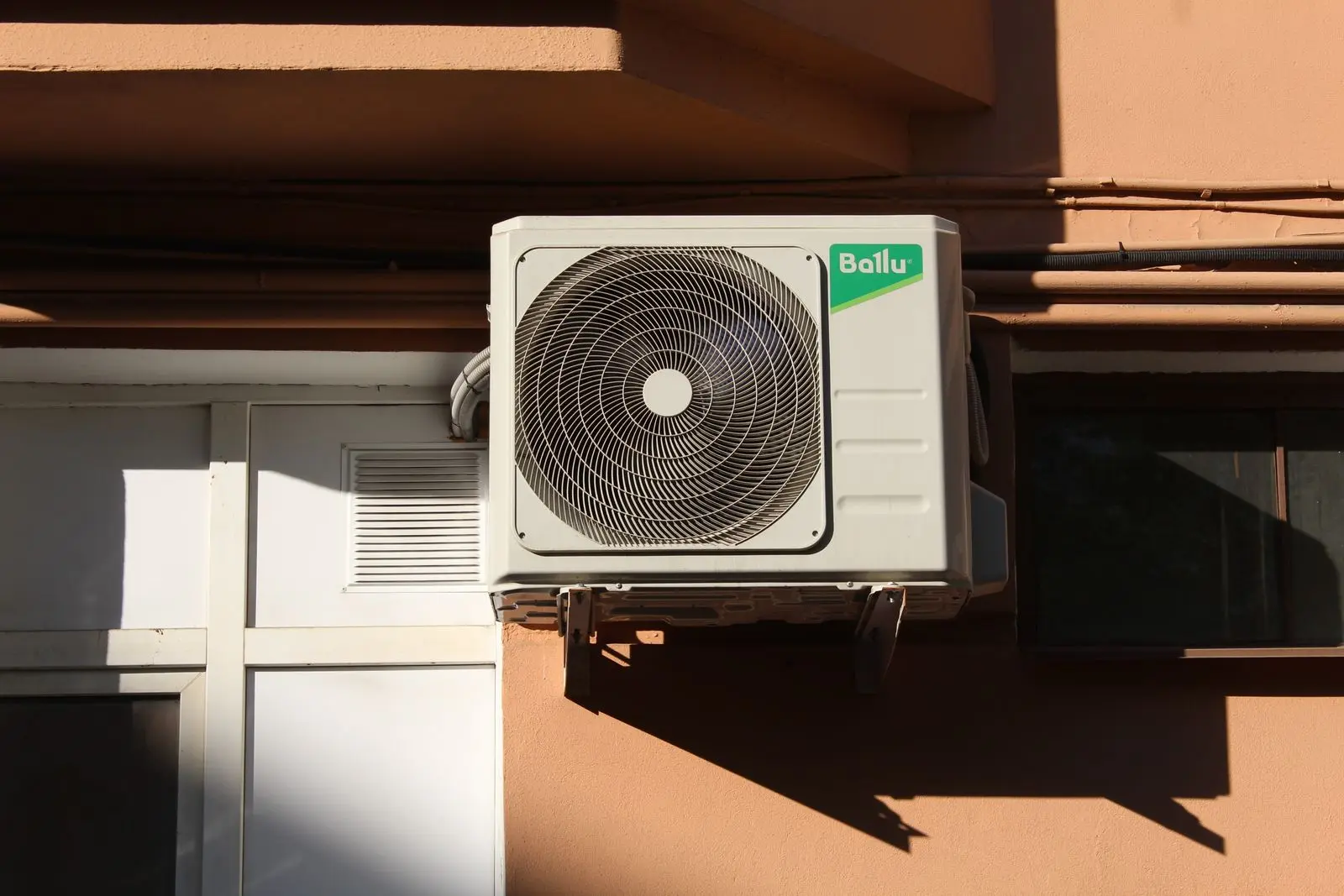
Air Conditioning Installation in Hoxton Park & South West Sydney
What professional aircon installation should look like in South West Sydney — the systems, the process, the licensing that matters, and why local heat changes the job.
Read guideWhat Is a Reverse Cycle Air Conditioner? Heating & Cooling Explained
One unit that cools in summer and heats in winter — and now costs less to run than gas. Here's how reverse cycle works and why it's the default choice in 2026.
Read guide